
Practical Ways to Reduce Food Waste at Home
Reducing food waste at home is not only good for the environment but can also save you money and make your kitchen run more efficiently. Every year, millions of tons of food are discarded unnecessarily, contributing to landfill overflow and greenhouse gas emissions. The good news is that small changes in your daily habits can significantly reduce food waste. In this post, we’ll explore practical ways to minimize waste in your home through better planning, storage, and creativity.
Why Reducing Food Waste Matters
Before diving into the tips, it helps to understand why reducing food waste is important. Food that is thrown away never had the chance to nourish, and discarding it wastes the energy, water, and resources used to produce it. Additionally, decomposing food in landfills generates methane, a potent greenhouse gas. Therefore, reducing waste benefits your wallet and the planet.
Plan Your Meals Thoughtfully
Make a Weekly Meal Plan
Taking a little time each week to plan meals helps you buy only what you need. Create a meal plan that uses similar ingredients across several meals to ensure nothing goes unused.
Write a Detailed Shopping List
Based on your meal plan, write a list and stick to it while shopping. Avoid impulse buys that may go uneaten and spoil.
Buy in Appropriate Quantities
Consider the size of your household and your usual consumption when buying. Large quantities can be cost-effective but may lead to waste if you can’t use everything before spoilage.
Store Food Properly to Extend Freshness
Understand Ideal Storage Conditions
Different foods require different storage methods. For example, leafy greens last longer in the fridge wrapped in paper towels, while tomatoes fare better at room temperature.
Use Airtight Containers
Sealing leftovers and opened packages in airtight containers helps maintain freshness and prevents food from absorbing odors from the fridge.
Label and Date Items
Label leftovers and opened perishables with dates to keep track of freshness and prioritize consuming older items first.
Practice Smart Cooking and Leftover Management
Cook Only What You Need
Avoid preparing large portions that won’t be eaten. Start with smaller servings and add more if desired.
Use Leftovers Creatively
Transform leftover vegetables, grains, and proteins into soups, salads, wraps, or stir-fries. This not only reduces waste but also adds variety to meals.
Freeze Surplus Food
Freeze leftovers or surplus fresh foods you won’t use immediately. Properly frozen meals can last weeks or months, helping you avoid throwing food away.
Compost Food Scraps
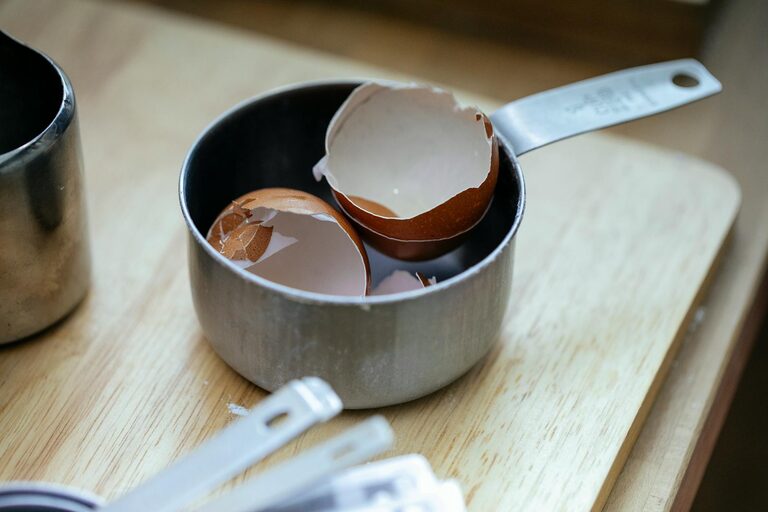
Composting food scraps like vegetable peels, coffee grounds, and eggshells converts waste into valuable fertilizer for your garden. If you don’t have outdoor space, many communities have composting programs or you can use worm bins indoors.
Practice FIFO in Your Pantry
FIFO stands for “First In, First Out.” Organize your pantry so that older items are at the front and newer ones go to the back. This ensures you use food before it expires.
Shop Smart to Avoid Impulse Buys
Stay mindful of marketing tricks like multi-buy deals that encourage purchasing more than needed. Only buy bulk items that you can realistically use within their shelf life.
Educate Your Household and Involve Everyone
Reducing food waste works best when everyone in your home is on board. Teach family members about portion sizes, expiration dates, and storage tips to make waste reduction a shared effort.
Track Your Food Waste
Try keeping a journal or use a smartphone app to monitor what you throw away. Identifying patterns helps you adjust habits to avoid repeat waste.
Conclusion
Reducing food waste at home is achievable with some attention and planning. By organizing your shopping and meal prep, storing foods properly, creatively using leftovers, and composting scraps, you can make a positive impact on both your budget and the environment. Start with small changes today and enjoy the benefits of a more sustainable kitchen!
—
Feel free to share your own food waste reduction tips in the comments below!
